

Peptides for Sale With Purity Verification: A Comprehensive Research Report
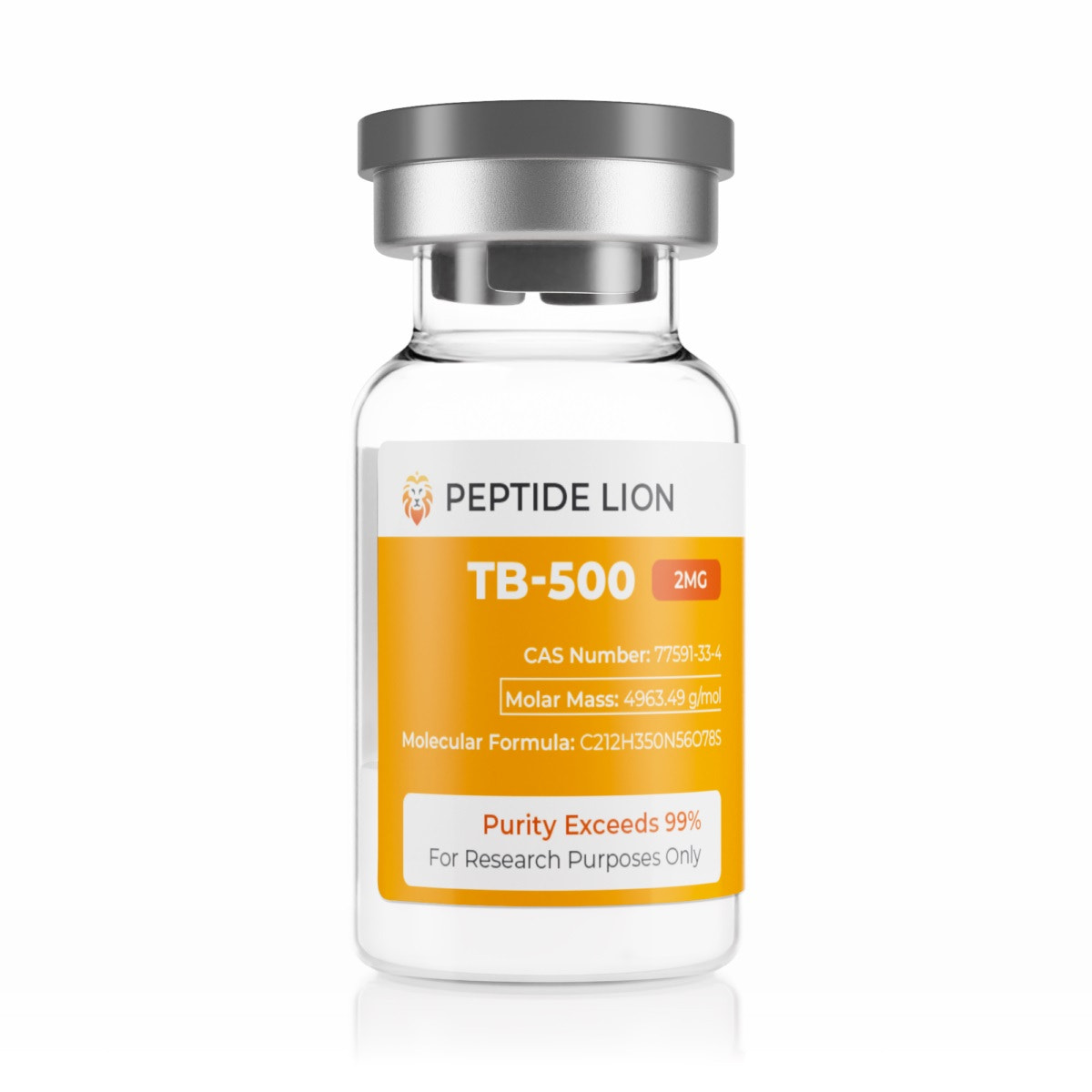
Peptides are brief chains of amino acids that play essential roles in varied biological processes, performing as signaling molecules, hormones, and neurotransmitters. In recent years, the interest in peptides has surged, particularly within the fields of medication, biotechnology, and health supplements. This report delves into the marketplace for peptides, emphasizing the significance of purity verification and the implications for customers and researchers alike.
Understanding Peptides
Peptides are composed of two or extra amino acids linked by peptide bonds. They can differ in length from only a few amino acids to several dozen. The distinctive sequences of amino acids in peptides define their structure and operate, making them important for numerous physiological processes. Should you loved this information and you would like to receive more information regarding Peptides For Sale With Purity Verification generously visit our web page. Within the pharmaceutical trade, peptides are increasingly being explored for his or her therapeutic potential, together with purposes in cancer treatment, diabetes administration, and anti-aging therapies.
The Rising Market for Peptides
The global peptide therapeutics market is projected to witness substantial progress, driven by the growing prevalence of chronic diseases and the rising demand for customized medication. Based on industry reports, the market is expected to achieve a number of billion dollars in the approaching years. This growth has led to a proliferation of companies providing peptides on the market, ranging from research-grade peptides for laboratory use to therapeutic peptides intended for clinical functions.
Importance of Purity in Peptide Merchandise
Purity is a essential issue in relation to peptides. Impurities can arise from various sources throughout the synthesis and purification processes, including by-merchandise, residual solvents, and contaminants. The presence of impurities can considerably affect the biological exercise of peptides, rendering them ineffective or even harmful. Due to this fact, consumers should prioritize purchasing peptides that have undergone rigorous purity verification.
Purity Verification Strategies
Several analytical techniques are employed to verify the purity of peptides. These strategies include:
- High-Performance Liquid Chromatography (HPLC): HPLC is among the most generally used strategies for assessing peptide purity. It separates parts in a mixture based mostly on their interactions with a stationary part and a mobile section, permitting for the quantification of the specified peptide and the identification of impurities.
- Mass Spectrometry (MS): Mass spectrometry supplies highly accurate molecular weight information and can be used to confirm the id of a peptide. It is usually used along side HPLC to supply a complete evaluation of peptide purity.
- Nuclear Magnetic Resonance (NMR) Spectroscopy: NMR spectroscopy is one other highly effective technique for characterizing peptides. It supplies information about the molecular construction and can assist determine impurities.
- Amino Acid Evaluation: This technique involves hydrolyzing the peptide and analyzing the ensuing amino acids to affirm the composition and sequence, ensuring that the product matches the specs.
- Tryptic Digestion and LC-MS: This superior method entails digesting the peptide with trypsin and analyzing the ensuing fragments utilizing LC-MS, providing detailed info concerning the peptide’s structure and purity.
Regulatory Requirements and Quality Assurance
In many nations, the sale of peptides is topic to regulatory scrutiny, particularly for those meant for therapeutic use. Regulatory our bodies such as the U.S. Meals and Drug Administration (FDA) and the European Medicines Company (EMA) have established tips for the manufacturing and high quality management of peptide merchandise. Firms must adhere to Good Manufacturing Practices (GMP) to ensure the safety, efficacy, and quality of their merchandise.
Moreover, third-celebration testing and certification can enhance shopper confidence by providing unbiased verification of peptide purity. Respected suppliers usually present certificates of analysis (CoA) that detail the results of purity testing, together with the strategies used and the particular purity percentages achieved.
Challenges within the Peptide Market
Despite the rising curiosity in peptides, a number of challenges persist in the market. One significant difficulty is the variability in product high quality among suppliers. Not all corporations adhere to the same standards of purity and high quality control, resulting in inconsistencies in the products out there to customers. This variability may end up in wasted resources and potential well being dangers for those using substandard peptides.
Additionally, the lack of regulation within the complement business permits for the sale of low-quality peptides with out ample purity verification. Shoppers should be vigilant and conduct thorough analysis before buying peptides, guaranteeing they select reputable suppliers that prioritize high quality and transparency.
Shopper Consciousness and Schooling
Consumer awareness plays a vital position in making certain the secure use of peptides. Education on the importance of purity verification and the potential dangers related to impure products can empower customers to make knowledgeable choices. Consciousness campaigns and assets that present data on respected suppliers, testing strategies, and regulatory requirements can assist mitigate dangers and promote the responsible use of peptides.
Conclusion
The marketplace for peptides is increasing quickly, driven by their potential applications in medicine and health. Nevertheless, the significance of purity verification cannot be overstated. Customers and researchers should prioritize the acquisition of peptides from reputable suppliers that present clear information on product purity. By understanding the analytical methods used to verify purity and the regulatory standards in place, individuals could make informed selections that improve safety and efficacy in peptide use. As the sphere of peptide analysis continues to evolve, maintaining high standards of high quality and transparency can be essential for fostering belief and promoting the responsible use of those powerful biomolecules.