

Understanding IRA Accredited Gold And Silver: A Complete Information
In recent times, the recognition of investing in treasured metals, notably gold and silver, has surged amongst individual retirement account (IRA) holders. This pattern displays a rising need for diversification and security in retirement portfolios. Nevertheless, not all gold and silver are eligible for inclusion in an IRA. This report aims to provide a comprehensive overview of IRA accepted gold and silver, the advantages of investing in these metals, and the rules that govern their inclusion in retirement accounts.
What’s an IRA?
An individual Retirement Account (IRA) is a tax-advantaged funding car designed to assist individuals save for retirement. Contributions made to an IRA could also be tax-deductible, and the funding grows tax-deferred till retirement withdrawals are made. There are a number of forms of IRAs, together with Traditional IRAs, Roth IRAs, and SEP IRAs, each with its own algorithm and benefits.
Why Put money into Gold and Silver?
Investing in gold and silver can present a number of advantages for retirement portfolios:
- Hedge In opposition to Inflation: Valuable metals have historically served as a hedge towards inflation. As the worth of currency declines, the worth of gold and silver often rises, serving to to preserve buying power.
- Diversification: Together with gold and silver in an funding portfolio can cut back total danger. Treasured metals usually have a low correlation with conventional assets like stocks and bonds, which might help stabilize returns.
- Tangible Property: Unlike stocks or bonds, gold and silver are bodily assets that may be held in hand. This tangibility can provide a way of security for investors.
- Market Demand: Each gold and silver have enduring market demand, pushed by factors such as industrial use, jewelry, and funding. This demand can contribute to cost stability over time.
IRA Accepted Gold and Silver
To qualify for inclusion in an IRA, gold and silver must meet particular standards established by the internal Income Service (IRS). The next outlines the important thing necessities for IRA permitted treasured metals:
Gold
- Purity: Gold will need to have a minimum fineness of 0. If you have any type of questions concerning where and ways to utilize best gold IRA for gold and silver, you can contact us at our own site. 995 (99.5% pure). This normal applies to bullion coins and bars.
- Permitted Coins: Sure gold coins are approved for IRA investment, including:
– American Gold Eagle
– American Gold Buffalo
– Canadian Gold Maple Leaf
– Austrian Gold Philharmonic
– South African Krugerrand
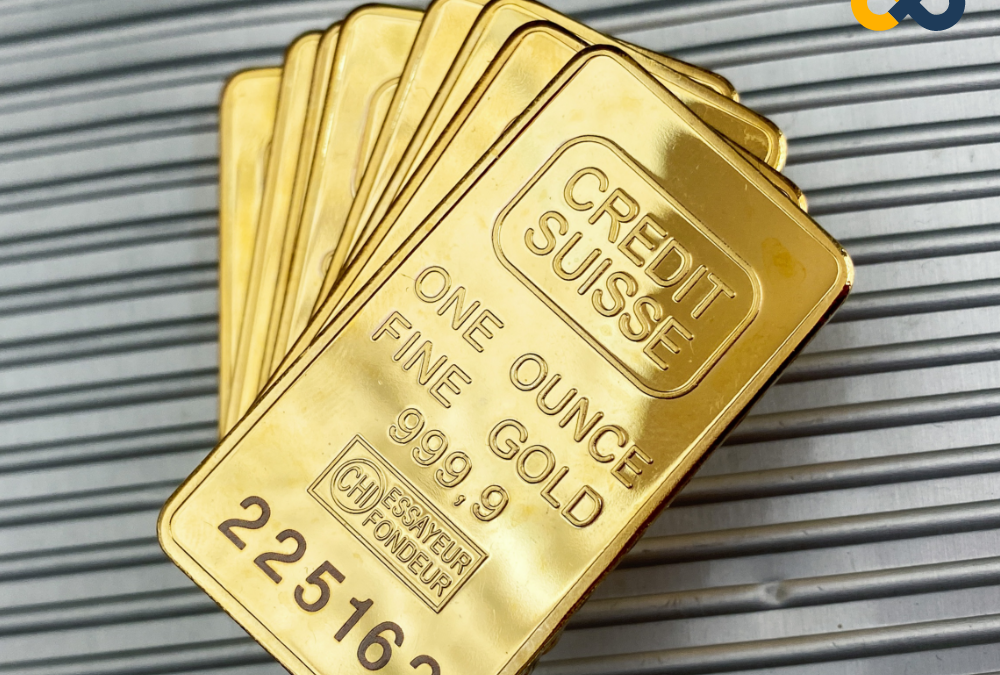
- Bars: Gold bars should be produced by a government mint or an accredited refiner and should meet the minimal fineness requirement.
Silver
- Purity: Silver will need to have a minimum fineness of 0.999 (99.9% pure).
- Accepted Coins: Eligible silver coins embody:
– American Silver Eagle
– Canadian Silver Maple Leaf
– Austrian Silver Philharmonic
– Mexican Silver Libertad
- Bars: Much like gold, silver bars should be produced by a authorities mint or an accredited refiner and meet the required purity standards.
Storage and Custodians
One of many vital points of holding gold and silver in an IRA is the requirement for secure storage. The IRS mandates that treasured metals in an IRA have to be saved in a qualified depository. This ensures the metals are protected and compliant with IRS laws. Traders cannot take physical possession of the metals while they are held in an IRA.
A custodian, typically a monetary establishment or a specialized IRA company, is liable for managing the IRA account and making certain compliance with IRS guidelines. When selecting a custodian, investors ought to consider elements corresponding to fees, status, and the vary of providers provided.
Tax Implications
Investing in gold and silver by means of an IRA can have significant tax implications. Contributions to a standard IRA may be tax-deductible, and the funding grows tax-deferred until withdrawal. Conversely, Roth IRA contributions are made with after-tax dollars, however qualified withdrawals are tax-free.
When investors promote their precious metals in a taxable account, they might incur capital beneficial properties taxes on any earnings. However, selling metals held in an IRA does not trigger tax legal responsibility until funds are withdrawn from the account. This tax deferral may be advantageous for long-time period traders.
Risks and Issues
While investing in gold and silver can supply quite a few benefits, it is crucial to contemplate the associated risks:
- Volatility: The prices of gold and silver can be risky, influenced by factors similar to geopolitical events, economic circumstances, and market sentiment. Traders ought to be ready for price fluctuations.
- Storage Costs: Storing treasured metals in a professional depository incurs charges, which might impact overall returns. Investors should consider these costs when assessing their funding technique.
- Liquidity: While gold and silver are usually considered liquid assets, selling them can take time and will involve transaction fees. Buyers ought to guarantee they’ve a plan for accessing funds when needed.
Conclusion
Investing in IRA authorized gold and silver generally is a beneficial strategy for diversifying retirement portfolios and protecting against inflation. By understanding the eligibility requirements, storage laws, and potential risks, investors can make knowledgeable decisions about including valuable metals in their retirement accounts. As with every funding, it is advisable to conduct thorough research and seek the advice of with monetary professionals to tailor a strategy that aligns with individual monetary goals and risk tolerance. With careful planning and consideration, gold and silver can play a vital role in a effectively-rounded retirement technique.